
Human-centred travel design
How 3Musafir designs safer, more human travel experiences
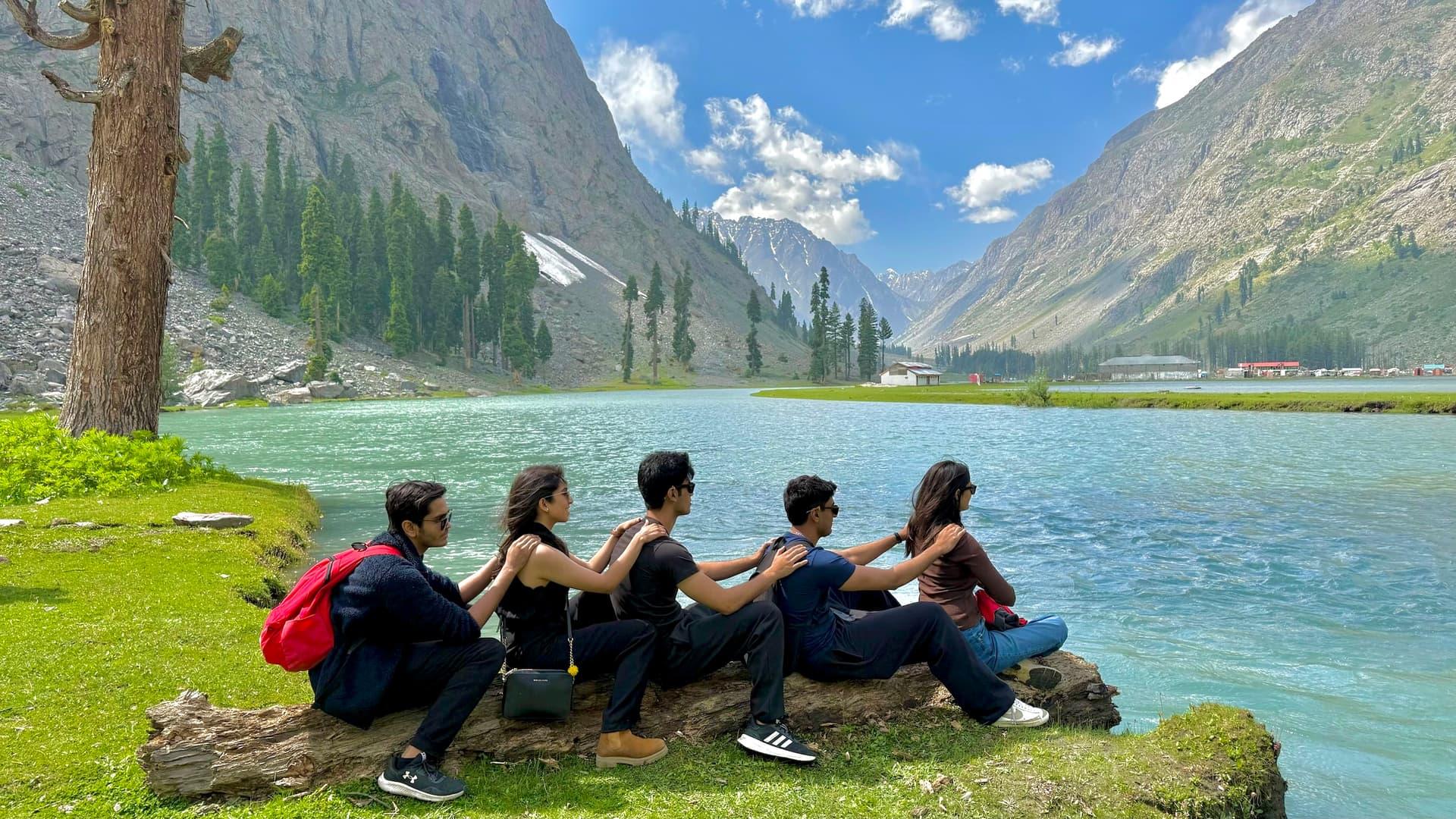
Travel is often reduced to destinations, hotels, transport and sightseeing.
But most people do not avoid travel because they cannot find a hotel.
They hesitate because they are unsure about:
- who they will travel with
- whether they will feel safe
- whether they will fit into the group
- whether the experience will be worth the effort
- and whether they can manage everything alone
At 3Musafir, we design travel around these human concerns.
Our work is not limited to moving people from one place to another. We create the conditions that help people travel with greater confidence, comfort and connection.
Travel begins before departure
A journey often begins long before the actual departure.
It begins when someone sees others travelling and thinks:
Maybe I could do this too.
That moment matters.
For a first-time traveller, a solo woman or someone without a regular travel group, the biggest barrier may not be the destination. It may be the emotional distance between wanting to travel and feeling ready to go.
Our role is to make that distance smaller.
The itinerary is only one part of the experience
An itinerary can explain:
- where the group will go
- where they will stay
- what they will see
- and how long the trip will last
But it cannot answer every question a traveller is carrying.
People also want to know:
- Will I feel included?
- Will the group match my energy?
- Will I be supported if something changes?
- Will I have enough personal space?
- Will this feel like a real experience or a rushed checklist?
These questions shape the entire journey.
That is why we think beyond logistics and focus on how the traveller experiences every stage of the trip.
From customers to Musafirs
We do not see people as anonymous bookings.
They are Musafirs.
That distinction is important.
A customer purchases a service. A Musafir participates in a shared journey.
A Musafir may:
- arrive alone
- meet new people
- build friendships
- return for another trip
- refer others
- and remain connected to the wider community
The destination may bring people together, but the relationships often become the most memorable part of the experience.
Trust is part of the product
Trust influences whether someone books, whether their family supports the decision and whether they feel relaxed during the journey.
It cannot be created through slogans alone.
It develops through:
- clear communication
- consistent support
- realistic expectations
- thoughtful coordination
- and responsible trip delivery
In group travel, people are not only evaluating the company. They are also evaluating the environment they are about to enter.
Our approach is therefore built around creating confidence before the journey begins.
Belonging does not happen automatically
Many people want to travel but do not have anyone available to join them.
Others may have friends, but their schedules, budgets or interests do not match.
Community travel creates another option.
It allows people to join individually without having to remain alone.
But belonging does not appear simply because several strangers are placed in the same vehicle.
It develops through:
- shared experiences
- mutual respect
- thoughtful group interaction
- and space for different personalities
The objective is not to make everyone identical. It is to create an environment where people can participate comfortably while still being themselves.
Designing for emotional comfort
Traditional travel planning focuses on physical logistics:
- accommodation
- transport
- routes
- meals
- activities
- and timing
These are essential, but they are not the complete experience.
Good travel design also considers emotional logistics:
- Where might a traveller feel uncertain?
- What information would make them feel prepared?
- What could make them feel excluded?
- Where might they need additional support?
- What moments could help them connect with the group?
The goal is not to remove every unpredictable element.
Adventure depends on unfamiliarity.
The goal is to create enough structure and trust that uncertainty feels exciting rather than threatening.
Women-first thinking
For many women, travel decisions involve additional concerns related to:
- safety
- group composition
- accommodation
- social comfort
- and family confidence
These concerns cannot be treated as secondary details.
Women-first thinking means considering them throughout the experience, not adding them later as a marketing claim.
When travel is designed more thoughtfully for women, it usually becomes more considerate and reliable for everyone.
Reducing complexity without removing choice
Travel planning can involve dozens of connected decisions.
A traveller may need to think about:
- dates
- transport
- rooms
- documents
- payments
- weather
- activities
- packing
- and group coordination
Too much complexity creates hesitation.
Our role is to simplify the journey without making the traveller feel controlled.
The experience should provide:
- structure where guidance is needed
- clarity where confusion is likely
- and flexibility where personal preference matters
The traveller should feel supported, not restricted.
Meaningful journeys are built around moments
People rarely remember every hour of a trip equally.
They remember moments:
- a view after a long journey
- a conversation around a fire
- a shared meal
- a challenge completed together
- a quiet morning
- or a final group photograph
These moments cannot always be planned, but the journey can be designed to create space for them.
A good experience needs balance:
- movement and rest
- excitement and reflection
- group interaction and personal space
- structure and spontaneity
When every hour is overloaded, people may see more but experience less.
The journey should not end at arrival home
For many travel companies, the relationship ends when the itinerary finishes.
For 3Musafir, the return home is another stage of the journey.
A traveller may return with:
- greater confidence
- new friendships
- stronger independence
- a wider sense of possibility
- and the desire to travel again
A person who once felt unsure about joining a group may later become a repeat Musafir, a community advocate or someone who helps others take their first step.
That continuing relationship is central to community-led travel.
Our service design philosophy
3Musafir is guided by one simple principle:
Travel should feel easier to begin, safer to experience and more meaningful to remember.
This means designing the complete relationship between:
- the traveller
- the group
- the destination
- and the community